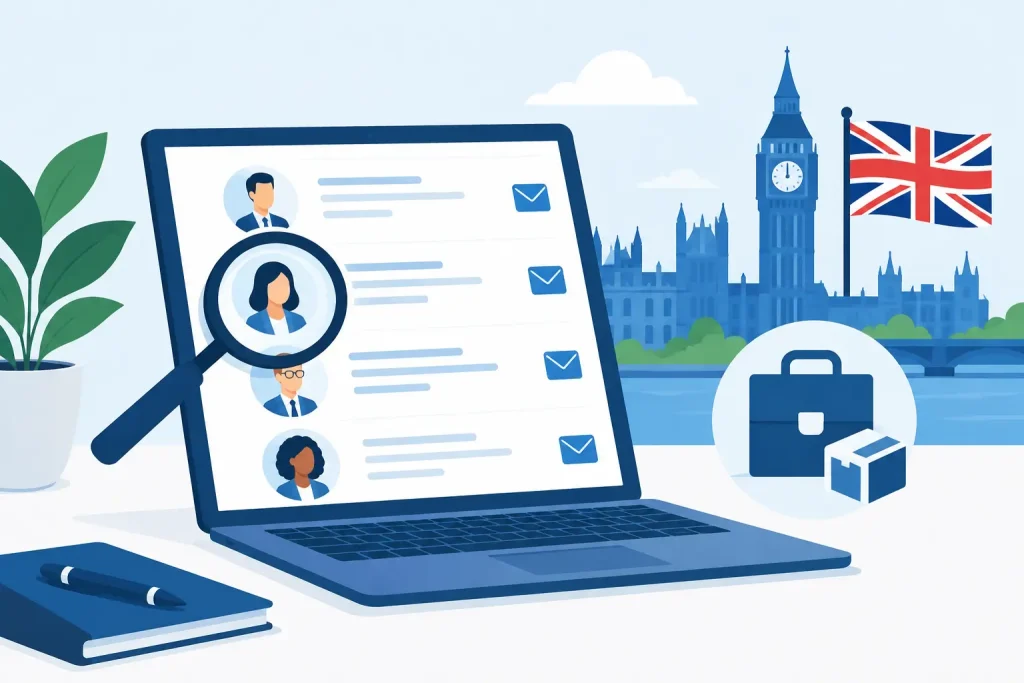
A procurement manager’s inbox is crowded with supplier approaches, framework updates and internal requests. That is precisely why the best UK procurement email lists are not simply the largest databases available. They are tightly selected, recently checked datasets built around the organisations, sectors and seniority levels most likely to need what you sell.
For businesses marketing software, professional services, facilities solutions, construction products, consultancy or specialist supply, a well-targeted procurement contact list can shorten prospecting time and reduce wasted campaign spend. The wrong list does the opposite: it creates low engagement, poor-quality sales conversations and avoidable pressure on your marketing budget.
What Makes a Procurement Email List Worth Buying?
Procurement is not a single job title. Buying decisions may sit with a Head of Procurement, Purchasing Manager, Category Manager, Commercial Director, Contracts Manager or Supply Chain Director. In smaller firms, the responsibility may fall to an Operations Director, Finance Director or Managing Director.
A useful list supplier should therefore start with your commercial objective, not a standard spreadsheet. Are you trying to reach public sector purchasing teams? Private-sector manufacturers? Multi-site retailers? Construction contractors? The answer determines the right company selection, named contacts and contact channels.
The strongest procurement data lists combine four practical elements:
- named decision-makers with relevant procurement, purchasing, commercial or supply chain responsibilities
- accurate business email addresses, supported where required by telephone and postal contact details
- firmographic selection, including industry, location, employee size, turnover band and company type
- clear data sourcing, maintenance and compliance processes
Volume has value only when it supports reach within a defined market. A list of 2,000 procurement contacts in your genuine buying profile will normally outperform 20,000 loosely relevant records.
Define the Buyer Before You Request Data
Before purchasing a list, decide who can influence the sale and what a qualified account looks like. This is particularly important where your offer crosses several functions. A procurement lead may control supplier evaluation, but the operational user, technical team or finance department may shape the final decision.
For example, a provider of contract management software may need procurement directors at organisations with established supplier bases, alongside commercial and finance contacts. A company supplying office fit-out services may instead require facilities, estates and procurement decision-makers at businesses planning relocation, refurbishment or expansion.
Be specific about the sectors that convert best for you. Procurement contacts in education, local government, healthcare, manufacturing and financial services each operate under different buying cycles, budgets and approval routes. A tailored selection lets you adapt both your message and your campaign timing.
Job Titles Should Be Relevant, Not Merely Senior
Senior titles can look attractive on a record count, but seniority alone does not guarantee relevance. A Chief Executive may approve a major purchase without ever reviewing a supplier email. Equally, a Purchasing Officer may manage a meaningful category and be an effective first point of contact.
Ask for a proposed job-title selection before the data is supplied. This gives you the opportunity to include and exclude roles based on how business is actually won in your market. It also prevents a campaign being diluted by generic administration, accounts or non-buying contacts.
Check Data Quality Before Comparing Price
Cheap data often becomes expensive once poor deliverability, invalid emails and irrelevant contacts consume campaign resources. The purchase price is only one part of the calculation. Consider the cost of preparing creative, sending email, making follow-up calls and asking a sales team to pursue contacts that were never suitable prospects.
A credible supplier should be able to explain how records are sourced, tested and refreshed. Business contact data changes constantly as people move employers, take on new responsibilities or leave a role. No database can be permanently perfect, but regular maintenance and practical validation make a significant difference.
When comparing procurement email lists, ask direct questions about record fields and selection criteria. You need to know whether the list contains named individuals or only general inboxes, whether direct telephone numbers are available, and whether company information can be filtered to suit your ideal customer profile.
It is also sensible to discuss expected coverage rather than accepting headline numbers at face value. Some sectors have fewer publicly identifiable procurement contacts than others. An honest provider will explain where coverage is strong, where broader decision-maker targeting may be more productive, and how to build the best audience without overstating the available data.
GDPR Compliance Is Part of Campaign Planning
GDPR-compliant data lists UK buyers can use responsibly are not a substitute for good campaign practice. Data quality and lawful processing need to work alongside clear messaging, relevant targeting and an easy way for recipients to object or unsubscribe.
For B2B email activity, businesses should assess the appropriate lawful basis for their own use of personal data and ensure their communications meet the requirements that apply to their campaign. This may involve legitimate interests in some circumstances, but it is not a blanket permission to email every business contact available.
Your data provider should be transparent about the provenance of the information and provide the details needed to support responsible use. Your own organisation remains responsible for how it markets to those contacts. That means keeping suppression records, honouring opt-outs promptly and avoiding messages that are unrelated to the recipient’s professional role.
Relevance is commercially valuable as well as compliant. A procurement professional is far more likely to engage with a concise proposition that addresses a real supplier-management problem than a broad promotional email with no connection to their remit.
Choose the Right Format for Your Outreach
Email is effective for introducing an offer, promoting a useful asset, inviting contacts to a demonstration or following up a warm campaign. However, email alone is not always the best route for high-value procurement sales.
Where the sale is complex, a combination of email, telephone and postal data can improve results. A targeted email can establish familiarity before a call, while telephone research can help identify the right contact and timing. Direct post may also be valuable for senior stakeholders or account-based campaigns where a smaller number of organisations justify a more personal approach.
The right fields depend on the campaign. At minimum, most buyers need contact name, job title, company name, address and business email. For telephone-led activity, direct dials or relevant company numbers matter. For territory planning, geographic and company-size filters are often as valuable as the contact details themselves.
Avoid Generic Procurement Data Packages
A generic procurement list may include organisations that are too small, outside your service area, tied to incompatible sectors or unlikely to buy at your contract value. It can also miss the adjacent roles that make a campaign viable.
Instead, request a tailored count based on the criteria that affect conversion. That might mean targeting procurement and commercial contacts within UK manufacturers employing 50 to 500 people, or public sector estates and purchasing teams in a specific region. If your solution is suited to organisations with multiple sites, include that requirement in the brief.
The more clearly you define the profile, the easier it is to balance precision with scale. Over-filtering can leave too little volume for testing, while broadening the audience too far can reduce relevance. An experienced data partner should help you find the workable middle ground, based on your campaign channel, budget and sales target.
Turn Purchased Data Into Better Sales Conversations
A purchased list is a campaign input, not the campaign itself. Segment the records before deployment so each group receives a message that reflects its industry, role and likely buying concern. Procurement teams may respond to cost control, supplier consolidation, compliance, risk reduction, contract visibility or operational efficiency, but the emphasis will vary by sector.
Start with a measured test rather than sending to every record at once. Monitor delivery, opens where meaningful, replies, opt-outs, calls completed and qualified opportunities created. Email open rates can be useful directional information, but replies, meetings and revenue are stronger measures of data value.
Use campaign feedback to refine the next selection. If facilities contacts respond better than central procurement, or mid-market firms convert more readily than enterprise accounts, that intelligence should shape the next data order. This is where tailored data becomes more valuable over time: each campaign improves the definition of the next one.
AD Marketing Ltd can help businesses source procurement-focused contact data around a defined market, job function and campaign objective, rather than forcing a sales campaign around an off-the-shelf database.
A procurement email list should give your team a credible route into the right organisations, not create another spreadsheet to work through. Start with the accounts and people your offer genuinely serves, then buy the level of data coverage that supports a focused, compliant and commercially realistic campaign.